
our program
We believe in providing a nurturing, welcoming and educational environment that allows children to feel safe, confident and happy.
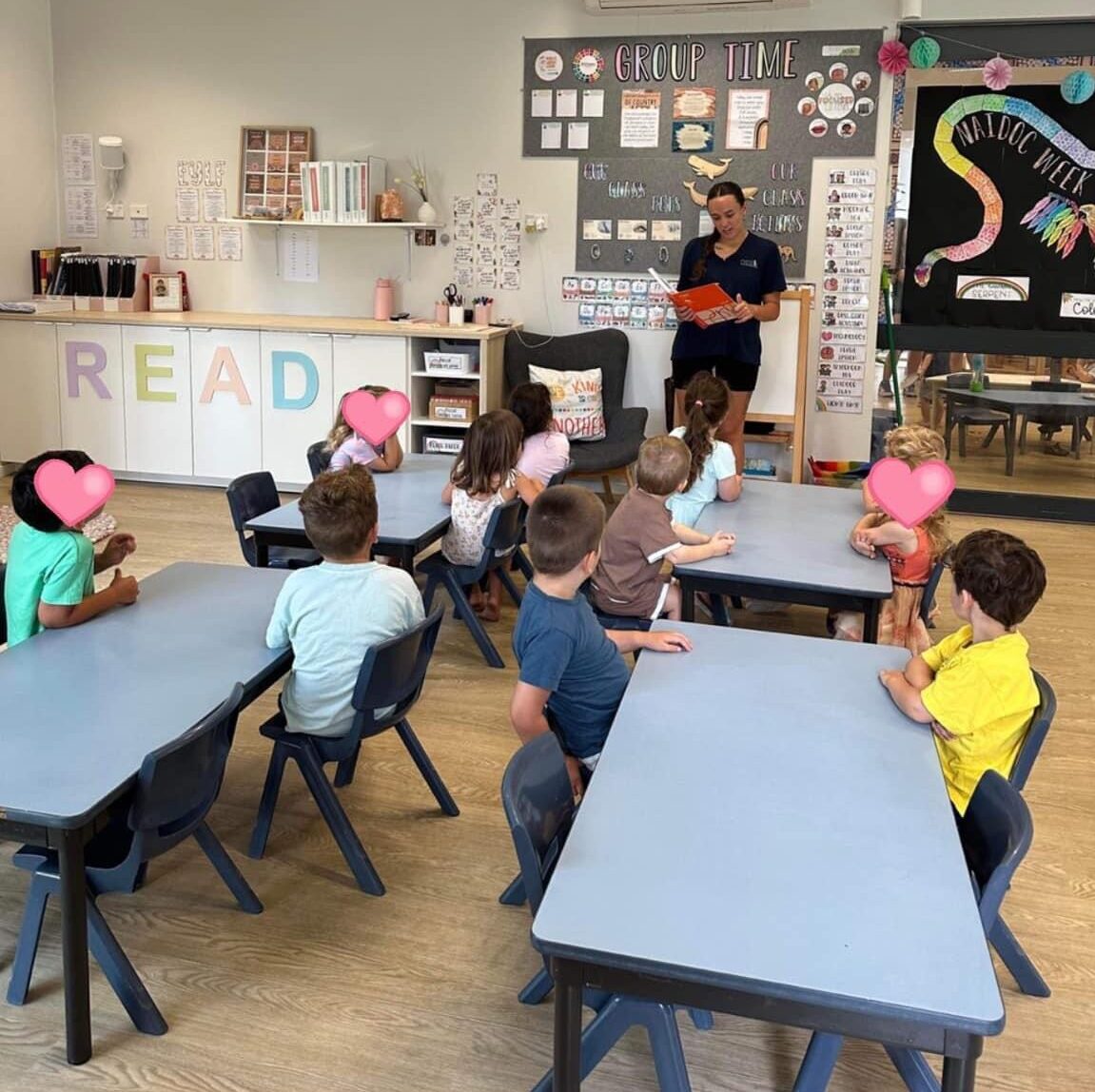
Our Education & Development Program
Our programs follow the Early Years Learning Framework, with a focus on play-based learning. We believe that play helps children explore their interests, build on their strengths, and develop new skills. As educators, we support this by connecting their play to the Framework, helping them feel a strong sense of belonging and growth.
We’ve designed our learning environments and programs to match each stage of your child’s development. We are committed to providing a multicultural, inclusive space and keeping group sizes small for more individual attention. Each child is placed in a group based on their age and development level, with staff dedicated to creating activities that suit their needs.
Our program is a team effort, guided by our ECT, Educational Leader, and qualified staff, all focused on the principles and goals of the Early Years Learning Framework.
Age specific support for every stage.
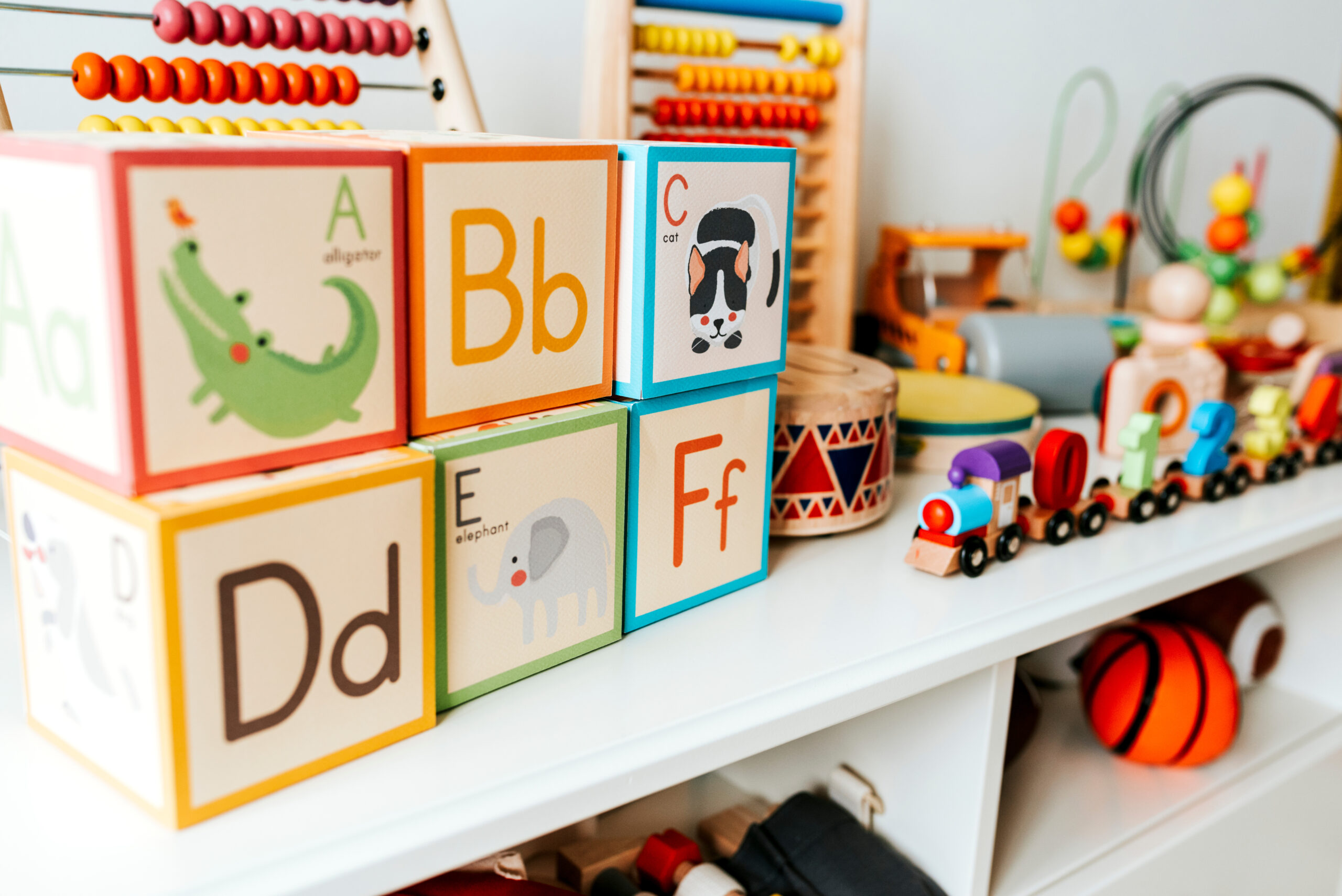
Infants (0-2yrs)
Children are encouraged to choose experiences for themselves and staff are available to support children in this decision making process. Positive interactions are encouraged and supported between staff, children and their peers.
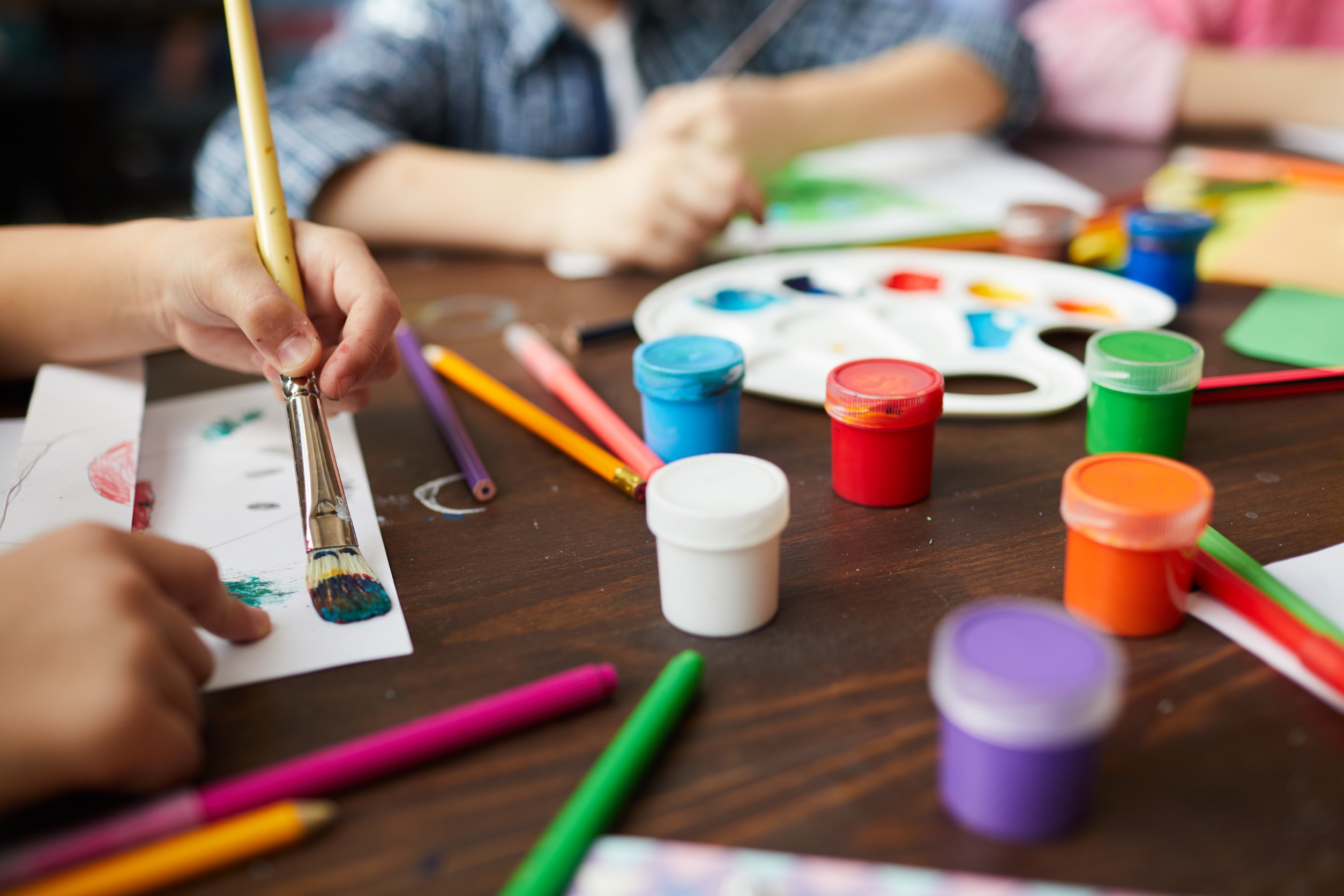
Toddlers (3-4yrs)
Our programming for the junior pre-schoolers will focus on creating opportunities for them to learn through independent exploration of our planned learning environment. Programs encourage the growth and development of the child as a whole.
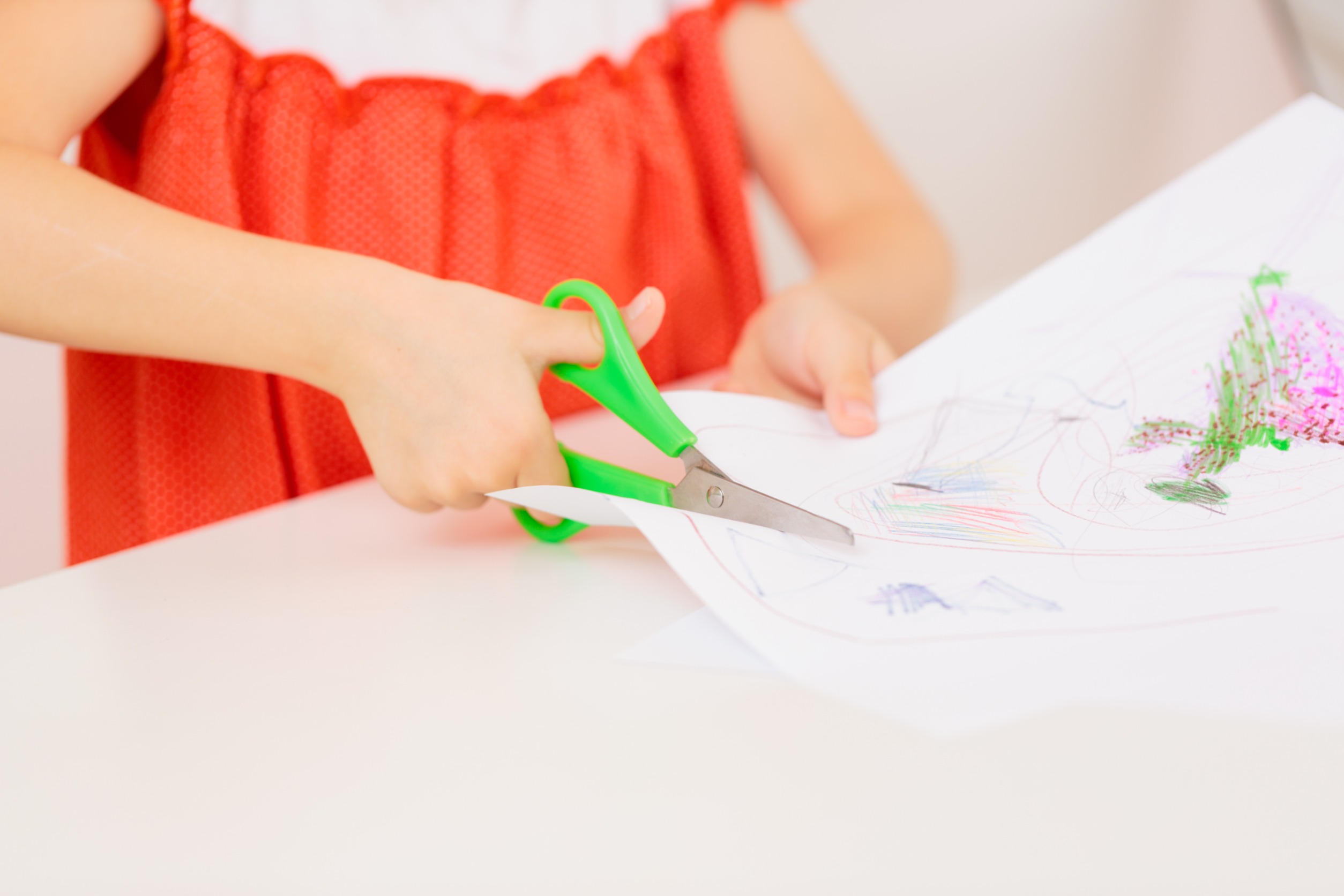
Pre School (4-6yrs)
The programs are flexible and reflect the interests and the competencies of the children. Experiences are initiated by the child, the caregiver, interests within the group and input from families and are reflective of the abilities and needs of the individual children.
School Readiness
At Nest ELC we provide a specialised school readiness program that is reviewed in consideration of advice from local schools and the NSW School Curriculum (in particular, key learning areas for Kindergarten). This will ensure that children receive the best possible preparation for “big school” and will leave Nest ELC as confident graduates ready to start primary school.
The program will focus on developing problem solving skills, social skills, building relationships with their peers, introduction of literacy skills (talking, listening, reading and writing), and developing foundation numeracy skills. Your child will be encouraged to be independent and take responsibility for their belongings and actions and to independently deal with conflict with their peers.
Our team at Nest ELC will work with our families to prepare your child (and parents) for the transition to “big school”. As with all other matters, Nest ELC has an “open door” policy and we welcome and encourage any comments or discussion from parents at all times.

Our five key areas for successful learning
Social / Emotional
For play to be inclusive, children need to feel socially accepted. As they play together, they learn cooperation, taking turns, and hoe to engage in imaginative experiences. Providing emotionally secure spaces allows children to belong and choose when to engage in play.
Physical
We believe all children need opportunities to be physically active through play. Our environment offers a variety of age-appropriate activities that challenge children of all abilities while promoting healthy risks. We create a play space where everyone is excited to participate.
Sensory
Play is most meaningful in sensory-rich environments that encourage discovery. Through tactile, visual, auditory, and other sensory experiences, children explore and understand the world around them. We design spaces that stimulate curiosity and engagement.
Cognitive
Children learn through play with others and their surroundings. Our hands-on approach brings learning to life. We support play that stimulates cognitive development, offering opportunities for problem-solving, abstract thinking, and understanding cause and effect.
Communication
Our environments support language development by encouraging children to express themselves. Language skills grow naturally through play and are enhanced by our thoughtfully designed play elements and programs, both indoors and outdoors.